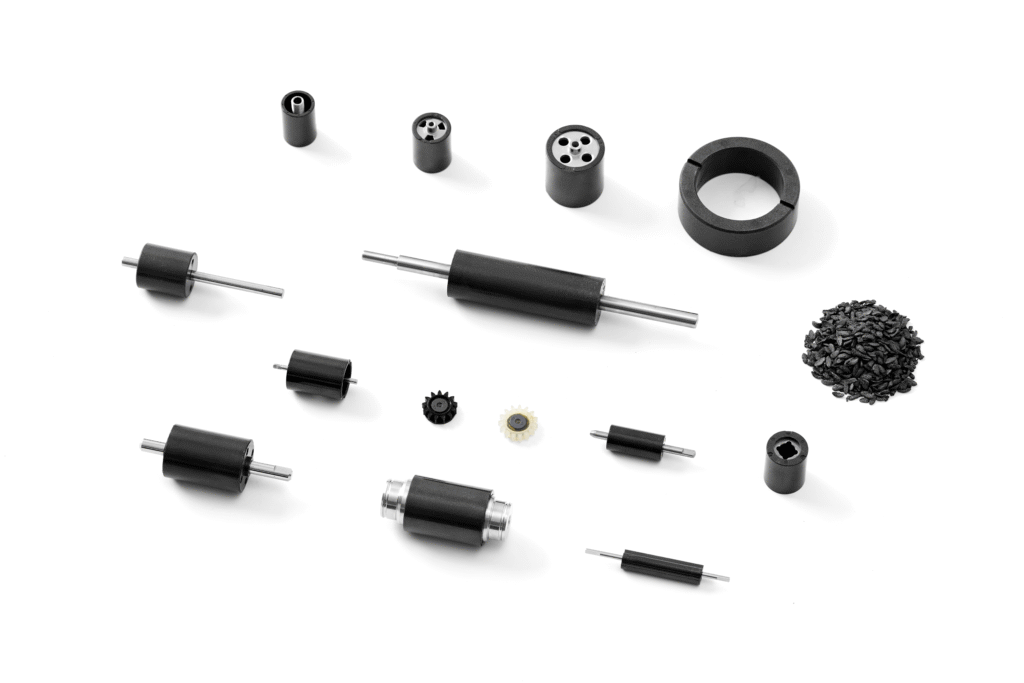
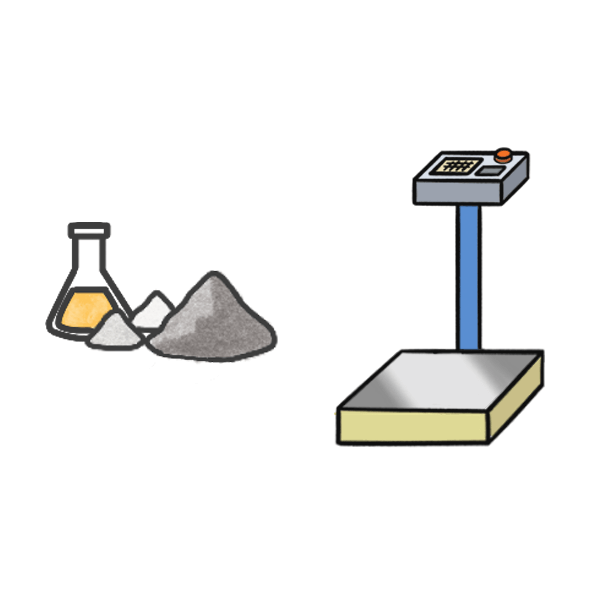
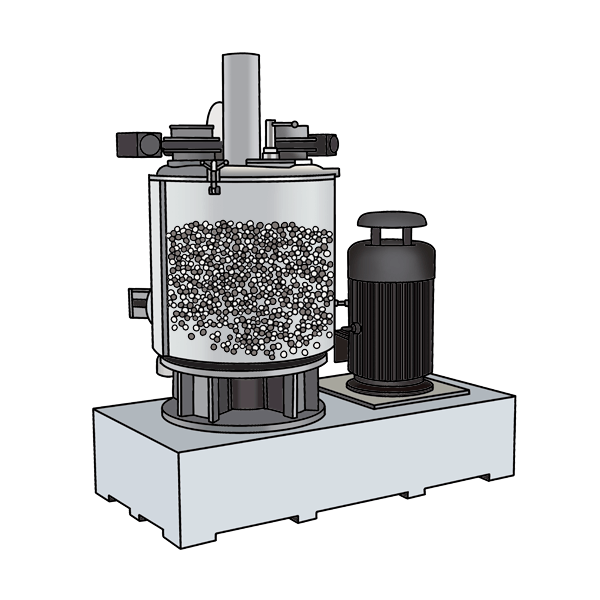
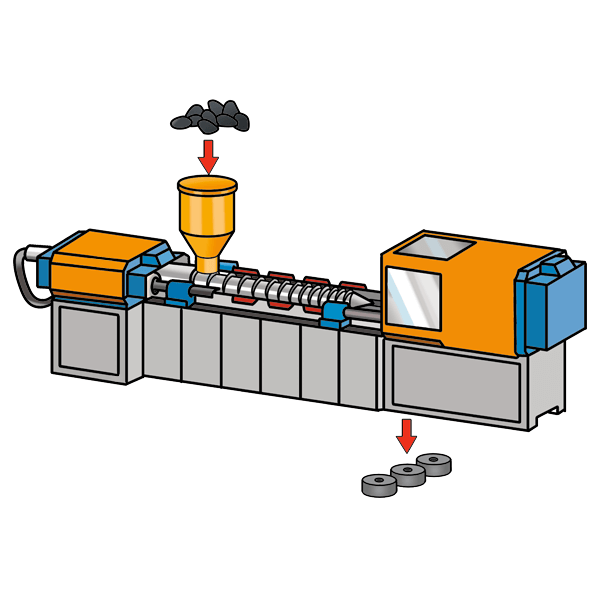
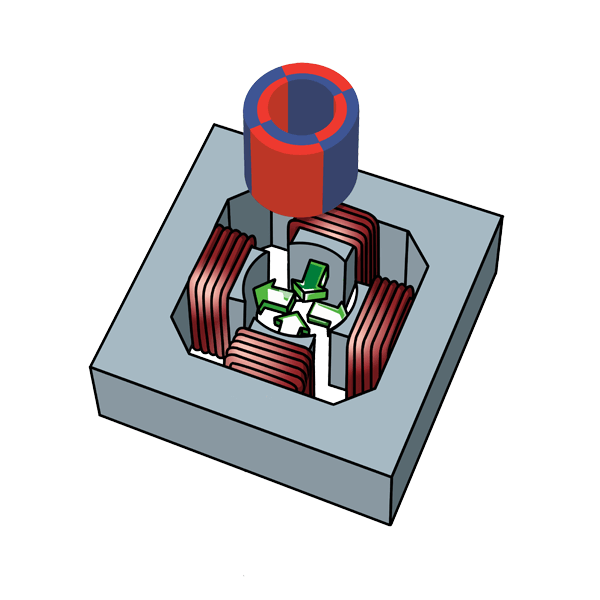
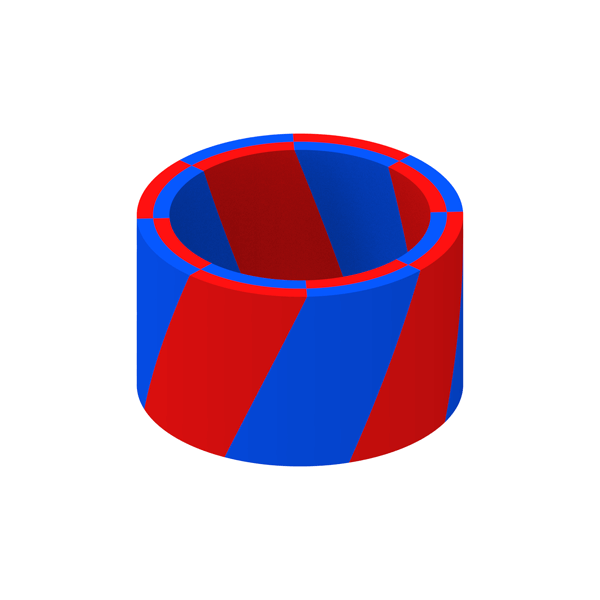
Injection molded magnets, often referring specifically to isotropic injection molded Neodymium magnets, are a type of composite material produced by embedding isotropic NdFeB powder in a thermoplastic binder such as PA6 (Nylon 6), PA12 (Nylon 12), or PPS (Polyphenylene Sulfide). The filling ratio of the NdFeB powder determines both the magnetic and mechanical properties. The key advantage of the injection molding process for manufacturing magnets is the ability to achieve a wide variety of shapes. Additionally, these materials can be molded directly alongside polymer or metal functional components, thereby reducing the costs of subsequent assembly processes.
The injection molding process also enables products to be manufactured with such tight tolerances that reworking is generally unnecessary. Since they are isotropic, injection molded magnets can be magnetized in any direction after molding. Over the past several decades, injection molded magnets have been widely applied in household appliances, office automation equipment, consumer electronics, and the automotive industry.