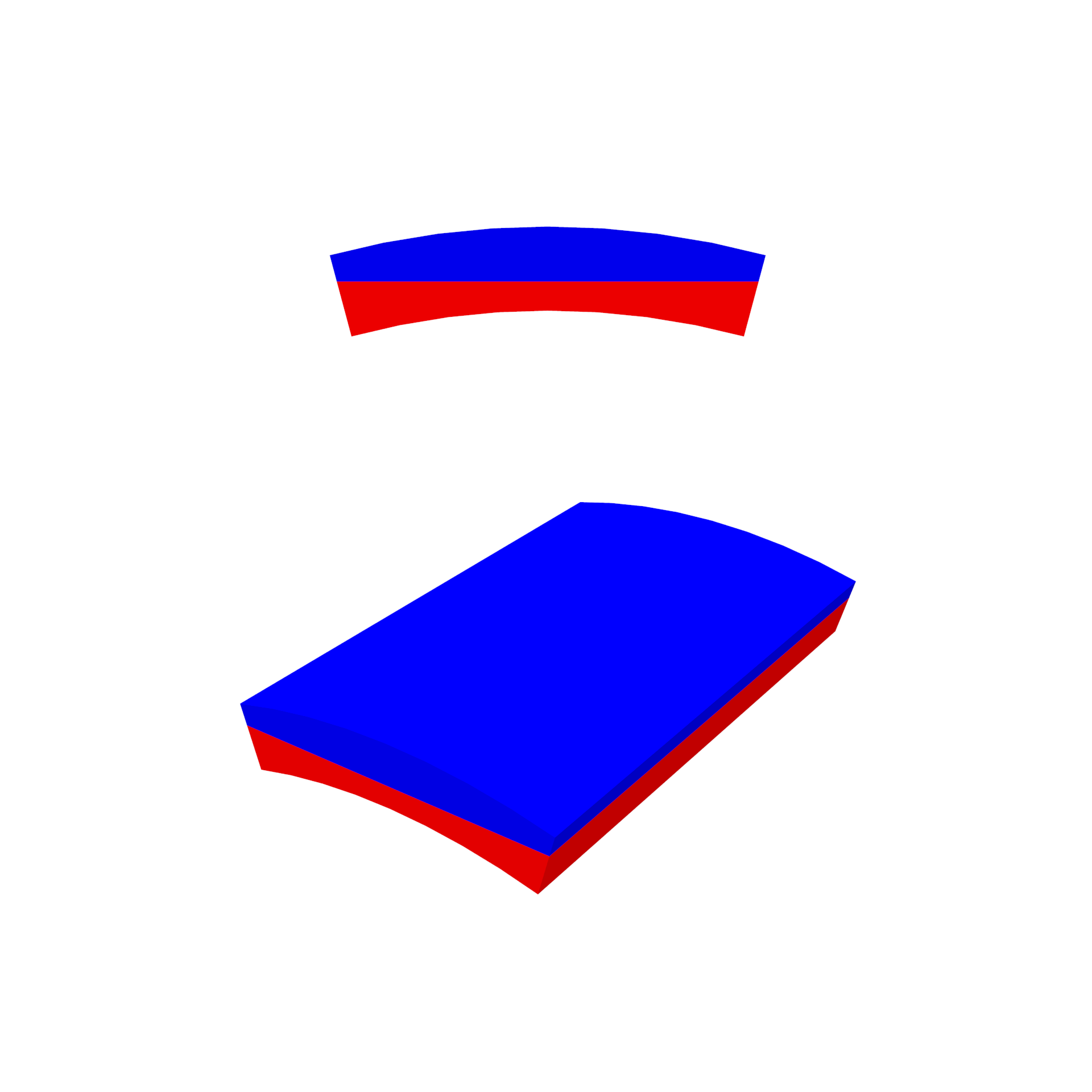
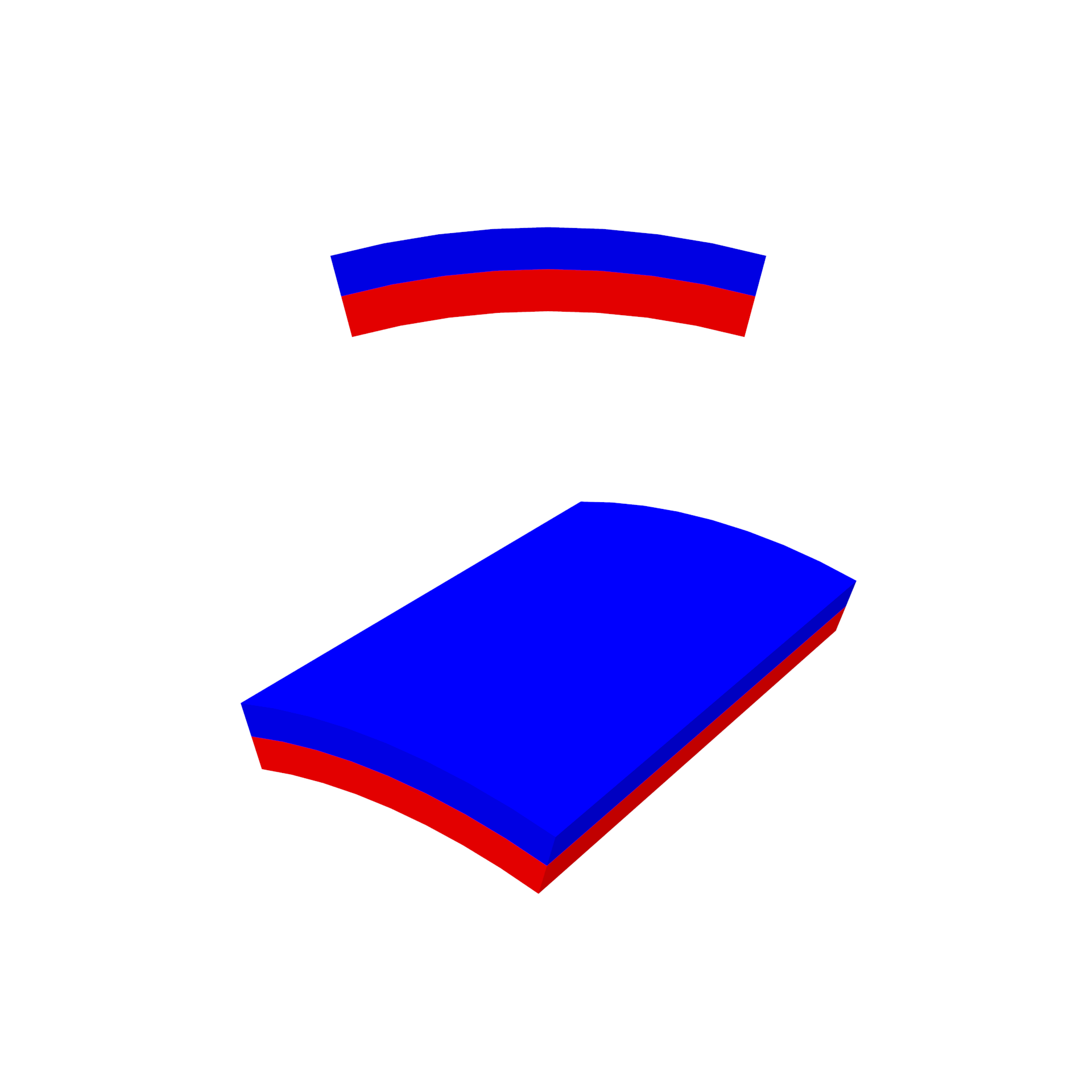
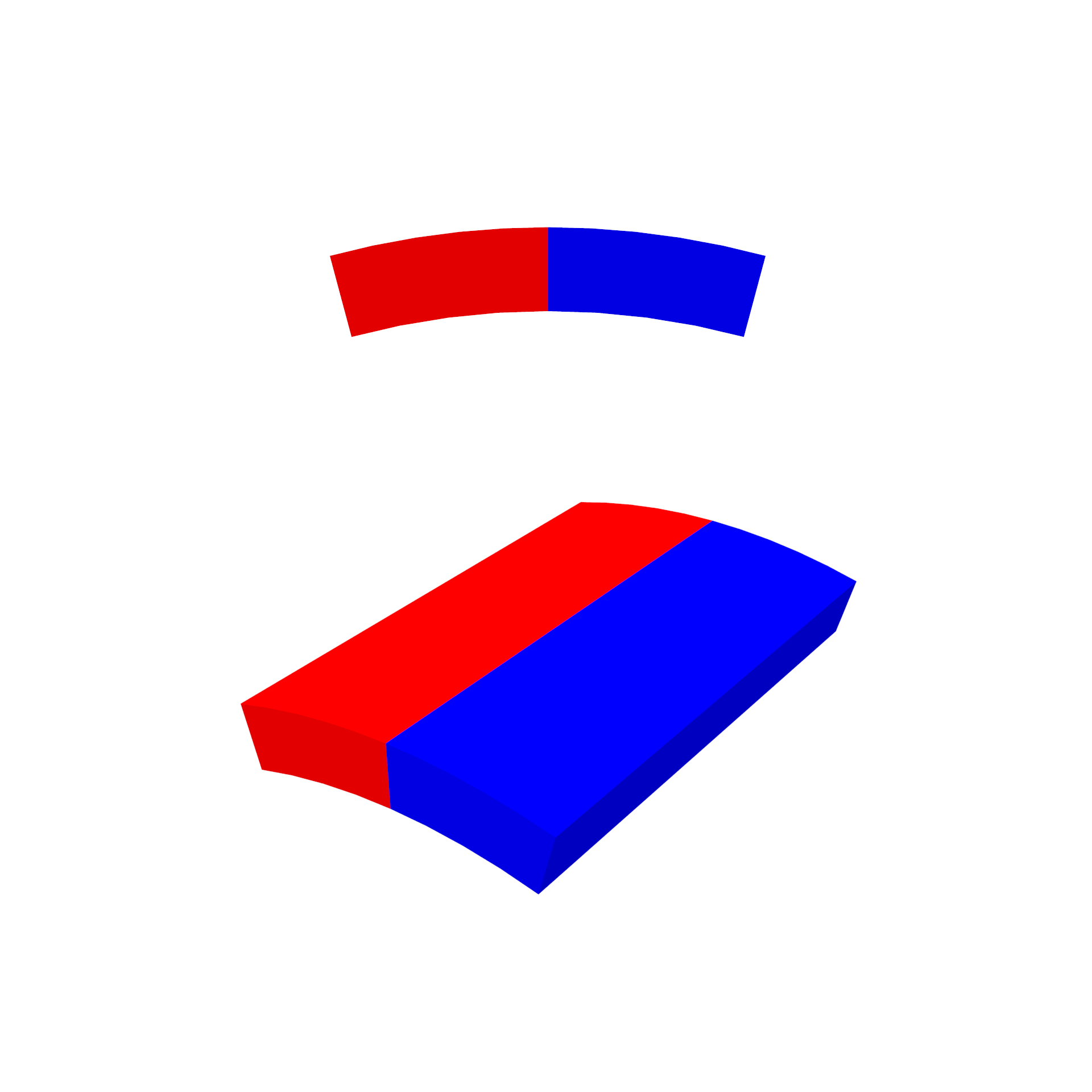
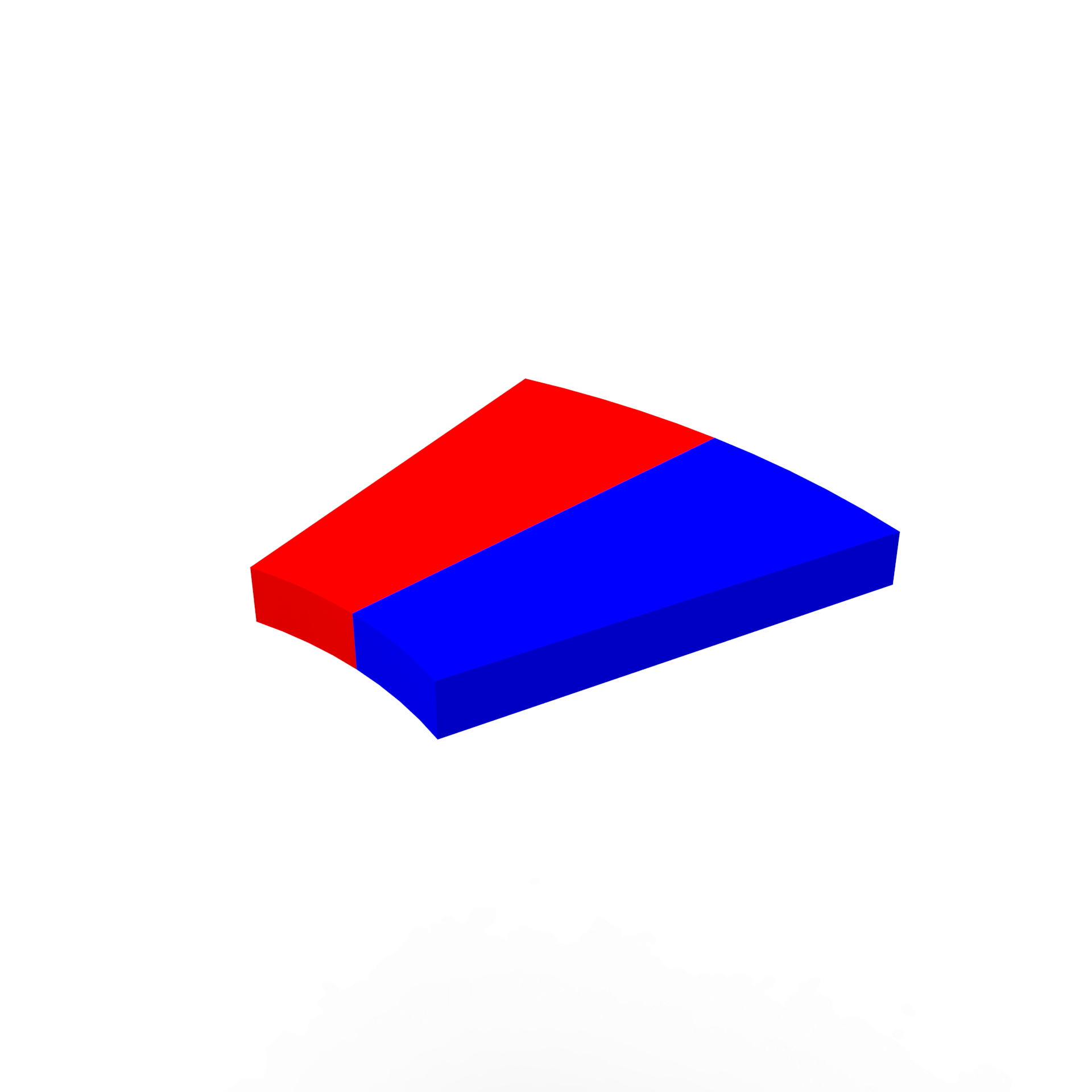
For radial flux applications, Neodymium arc magnets typically have a more uniform arc profile or other optimized shapes used in surface-mounted PMSMs. These magnets are magnetized diametrically (radially), meaning the magnetization is perpendicular to the rotation axis. This makes them suitable for radial flux machines like conventional motors, generators, and many magnetic couplings.
Neodymium magnets have natural limits in achieving very precise shapes and tight tolerances during the pressing stage, especially because pressing is done under an external magnetic field. This makes it hard to form arc shapes directly to final dimensions. As a result, sintered blanks must be machined afterward so the finished parts meet real application requirements.
Compared with simple shapes like blocks, cylinders, or rings, machining sintered blanks into Neodymium arc magnets is more demanding. In practice, two methods are most common: wire-cutting and profile (contour) grinding.
Single-wire cutting is flexible and works well for special or non-standard shapes, but it is slower and more expensive for mass production. Multi-wire cutting improves efficiency and reduces cost, making it suitable for larger batches of arc magnets with relatively small curvature and larger spans. Even so, single-wire cutting is still preferred for deeply curved arcs, as well as for prototypes and small-batch orders with many different shapes. Profile grinding, on the other hand, offers better production speed and cost performance, but it is less capable when the arc geometry is complex or highly customized.
Neodymium arc magnets can be magnetized in different directions depending on whether they are used in radial flux or axial flux systems. For radial flux machines, arc magnets are usually magnetized in the diametrical direction, and they are often arranged in pairs to form the required flux pattern. It should be noted that producing truly radial (purely radially magnetized) Neodymium arc magnets is difficult in practice, so diametrical magnetization is the more common solution.
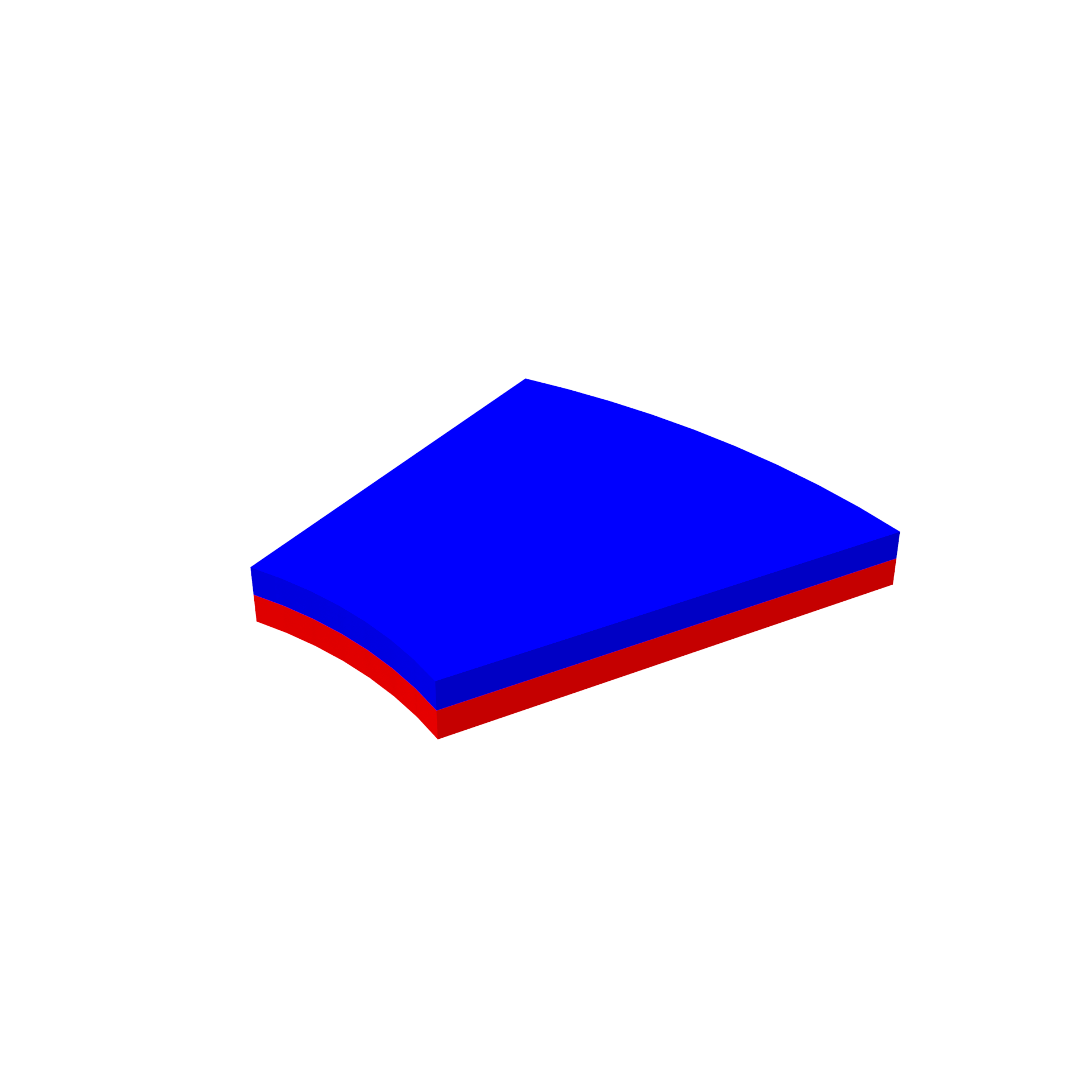
For axial flux systems, fan-shaped arc magnets are widely used because they are well suited to axial magnetization, with the magnetization direction parallel to the axis of rotation. In Halbach array designs—whether axial or radial flux—arc magnets may use a mix of chord-magnetized segments together with regular axially or diametrically magnetized pieces. This combination helps optimize magnetic flux density and field distribution, improving overall system performance.
Neodymium arc magnets are widely used in motors because their shape and magnetic performance directly affect efficiency and running quality. Besides selecting the right grade and coating, the magnet geometry plays a major role in motor optimization. In slotted motors, cogging torque is a common problem caused by the interaction between the magnets and stator teeth. This creates torque ripple, vibration, and noise, reducing smoothness and efficiency. To minimize these effects, Neodymium arc magnets in both radial flux and axial flux motors are often made with a skewed shape, which helps weaken the tooth-magnet interaction and improves overall motor stability.
Eddy current loss is another key concern. Eddy currents generate heat inside the magnets, raising temperature and increasing the risk of demagnetization, which lowers motor efficiency. A practical solution is to use laminated magnets, built from several thin magnet layers bonded together. This layered structure interrupts eddy current paths, cutting heat loss while keeping the original motor design and magnetic performance intact, leading to better efficiency and thermal reliability.